


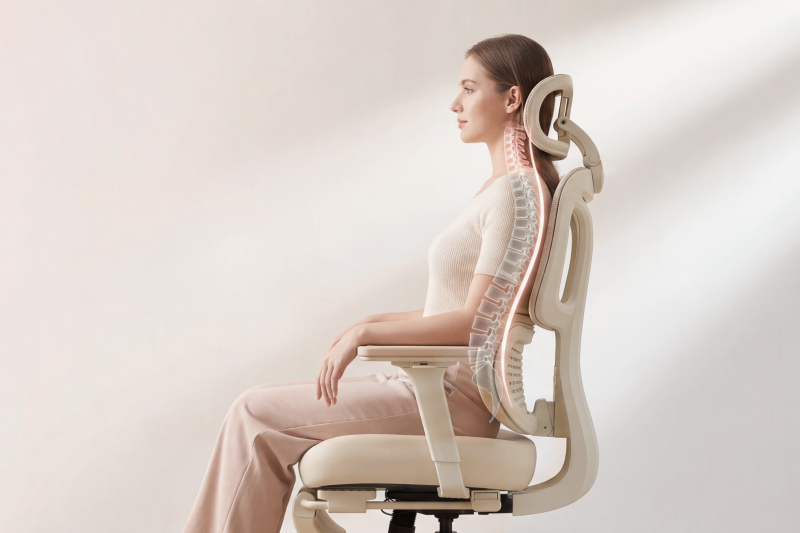
Sciatica is one of the most common nerve-related conditions affecting adults today, especially office workers, remote employees, gamers, and anyone who spends long hours sitting. It is often described as sharp, burning, or radiating pain that travels from the lower back through the buttocks and down one leg.
For many people, prolonged sitting can significantly worsen sciatica symptoms. Whether you're working from home, spending hours in meetings, or sitting at a computer all day, understanding how sitting affects the sciatic nerve is essential for maintaining comfort and protecting your long-term spinal health.
The good news is that proper posture, regular movement, and the right ergonomic office chair can help reduce pressure on the sciatic nerve and improve overall sitting comfort.
What Is Sciatica?
Sciatica refers to pain caused by irritation, inflammation, or compression of the sciatic nerve, the largest nerve in the human body.
The sciatic nerve begins in the lower spine and travels through the hips, buttocks, and down each leg. When this nerve becomes compressed or irritated, it can trigger pain and other uncomfortable symptoms.
Common causes of sciatica include:
- Herniated or bulging discs
- Spinal stenosis
- Degenerative disc disease
- Piriformis syndrome
- Muscle imbalances
- Poor posture and prolonged sitting
Although sciatica often affects only one side of the body, the symptoms can range from mild discomfort to severe pain that interferes with daily activities.
Common Symptoms of Sciatica
Sciatica symptoms vary depending on the severity of nerve compression.
The most common symptoms include:
- Sharp lower back pain
- Burning sensations in the buttocks or legs
- Pain that radiates down one leg
- Numbness or tingling in the foot or leg
- Muscle weakness
- Difficulty sitting comfortably for long periods
- Increased pain after prolonged sitting
Many people notice that their symptoms improve when walking or standing but become worse after sitting for extended periods.
Why Sitting Makes Sciatica Worse
Many people with sciatica report that sitting is one of their biggest pain triggers. This is because sitting places significant stress on the lower spine and surrounding muscles.
Increased Pressure on the Lumbar Spine
When standing, your body naturally distributes weight through the spine, hips, and legs.
However, when sitting, especially with poor posture, pressure on the lumbar discs increases dramatically. This additional pressure can aggravate conditions such as herniated discs and worsen sciatic nerve compression.
Poor Posture Increases Nerve Irritation
Slouching forward, rounding the shoulders, or leaning toward a screen can place the spine in an unnatural position.
Over time, poor posture can:
- Increase spinal stress
- Tighten surrounding muscles
- Reduce spinal alignment
- Increase pressure on the sciatic nerve
This is one reason why ergonomic posture support is so important for people experiencing sciatica symptoms.
Reduced Blood Circulation
Sitting for long periods decreases circulation to the lower body.
Poor circulation can contribute to:
- Tight hip muscles
- Stiff glutes
- Muscle fatigue
- Increased nerve sensitivity
Reduced movement can also make sciatica symptoms feel more intense throughout the day.
Piriformis Muscle Compression
The piriformis muscle is located deep within the buttocks near the sciatic nerve.
Prolonged sitting can cause this muscle to tighten, potentially compressing the sciatic nerve and creating symptoms similar to sciatica. This condition is commonly known as piriformis syndrome.
Can an Ergonomic Chair Help with Sciatica?
While an ergonomic chair cannot cure sciatica, it can play a significant role in reducing discomfort and preventing symptoms from becoming worse.
A well-designed ergonomic chair supports the body's natural posture and minimizes unnecessary stress on the lower back and hips.
Benefits of ergonomic seating for sciatica include:
- Improved spinal alignment
- Reduced lumbar pressure
- Better pelvic positioning
- Enhanced circulation
- Reduced muscle fatigue
- Greater sitting comfort during long work hours
When combined with healthy movement habits, an ergonomic office chair can become an important part of a sciatica management strategy.
Key Ergonomic Chair Features for Sciatica Relief
Not all office chairs are created equal. If you experience sciatica, look for the following ergonomic features.
Adjustable Lumbar Support
Lumbar support helps maintain the natural curve of the lower spine and reduces pressure on the lumbar discs.
Proper lumbar support is one of the most important features for people experiencing lower back pain and sciatica.
Seat Depth Adjustment
The seat should support your thighs without pressing against the back of your knees.
Proper seat depth improves circulation and reduces pressure on the lower body.
Reclining Backrest
A reclining mechanism allows you to vary your sitting position throughout the day.
Changing posture regularly can reduce spinal compression and improve comfort.
Adjustable Armrests
Armrests help reduce tension in the shoulders, neck, and upper back.
Proper arm support contributes to better overall posture and reduces stress throughout the spine.
Breathable Materials
Breathable mesh or high-quality fabric improves airflow and comfort, especially during long work sessions.
Dynamic Movement Support
The best ergonomic chairs encourage movement rather than forcing users into a fixed position.
Dynamic sitting promotes circulation and reduces stiffness.
How to Sit Properly If You Have Sciatica
Even the best ergonomic office chair must be adjusted correctly to provide maximum benefits.
Follow these posture guidelines:
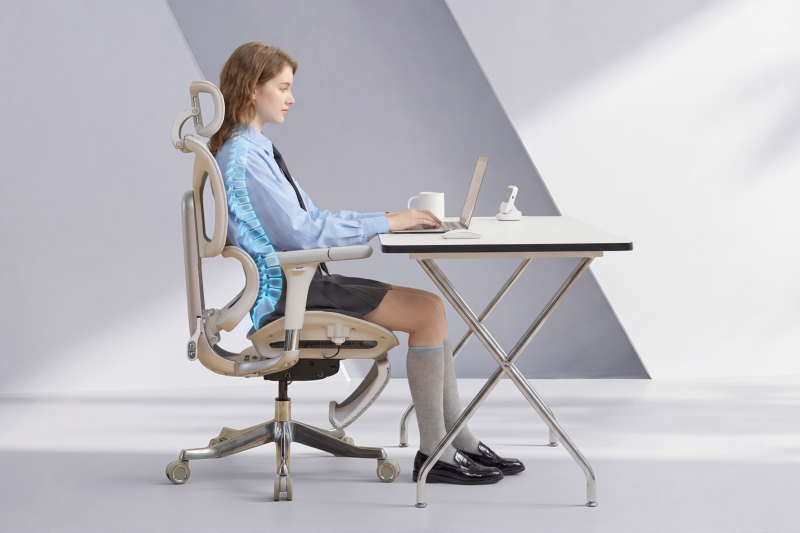
- Sit fully back in the chair.
- Maintain contact with the lumbar support.
- Keep both feet flat on the floor.
- Position your knees at approximately 90 degrees.
- Avoid crossing your legs for long periods.
- Keep your monitor at eye level.
- Relax your shoulders.
- Take movement breaks every 30 to 60 minutes.
Small posture improvements can significantly reduce sciatic nerve irritation over time.
Recommended Ergonomic Chairs for Sciatica Relief
If you're searching for the best ergonomic chair for lower back pain and sciatica, these two models offer excellent support for long sitting sessions.
S9 Pro Ergonomic Office Chair
The S9 Pro is designed for advanced ergonomic support and long-hour sitting comfort, making it an excellent choice for users dealing with lower back discomfort or sciatica-related symptoms.
Key features:
- Dynamic Adaptive Lumbar Support that automatically responds to your posture and movement
- 6D Adjustable Armrests for personalized arm, shoulder, and upper-body support
This model is ideal for users who spend extended hours at a desk and require continuous ergonomic support throughout the workday.

S3 Pro Ergonomic Office Chair
The S3 Pro combines everyday comfort with ergonomic functionality, making it a great option for home offices and professional workspaces.
Key features:
- Ergonomic lumbar support system for improved posture
- Breathable backrest for enhanced airflow and comfort
- Adjustable headrest and armrests for customized support
- Promotes natural spinal alignment
- Designed to reduce stiffness during long sitting sessions
This model is ideal for users seeking a comfortable, flexible ergonomic chair that supports healthy posture throughout the day.

Additional Tips to Reduce Sciatica Pain
While a supportive ergonomic chair can make a significant difference, additional lifestyle habits can further reduce discomfort.
Stretch Regularly
Focus on stretches that target:
- Hamstrings
- Hip flexors
- Glutes
- Lower back muscles
Strengthen Your Core
A stronger core helps stabilize the spine and reduce pressure on surrounding nerves.
Take Frequent Walking Breaks
Walking improves circulation and helps reduce stiffness caused by prolonged sitting.
Maintain a Healthy Weight
Excess body weight can place additional stress on the lower spine and contribute to sciatica symptoms.
Stay Active
Regular physical activity supports flexibility, muscle strength, and overall spinal health.
Final Thoughts
Sciatica can have a significant impact on comfort, productivity, and overall quality of life, especially for people who spend most of their day sitting.
Although sitting itself is not always the direct cause of sciatica, poor posture and inadequate seating can worsen symptoms and increase pressure on the sciatic nerve. Choosing a high-quality ergonomic office chair can help support proper spinal alignment, improve posture, and reduce lower back strain during long work sessions.
Combined with regular movement, stretching, and healthy sitting habits, an ergonomic chair can be a valuable tool for managing sciatica and promoting long-term spinal health.
If you spend hours at a desk each day, investing in an ergonomic chair like the S9 Pro or S3 Pro can help you sit more comfortably, work more productively, and protect your back for years to come.

Leave a comment
This site is protected by hCaptcha and the hCaptcha Privacy Policy and Terms of Service apply.