

What Is an Ergonomic Chair? Understanding the Design Behind Real Comfort
In the modern workplace and home office environment, sitting for long periods has become the norm. With more people spending hours at their desks, questions like “what is an ergonomic chair?” matter more than ever. Many individuals suffer from back pain, shoulder strain, and poor posture simply because their seating isn’t designed for real human comfort. This is where ergonomic office chairs come in.

In simple terms, an ergonomic chair is a chair designed to support the natural posture of the human body. It helps reduce strain, promote comfort, and improve long-term wellness during extended sitting. Unlike ordinary office chairs, ergonomic office chairs aren’t just about looking stylish—they are built around principles of human anatomy, joint movement, and healthy sitting.
Let’s break down what an ergonomic chair is and what sets it apart.
What Is an Ergonomic Chair?
An ergonomic chair is a specially designed seating solution that supports how your body naturally moves and rests. When people ask what is an ergonomic chair, the answer starts with one concept: ergonomics—the study of designing products that fit human needs and capabilities.
Traditional chairs are usually built with a one-size-fits-all mindset. Ergonomic office chairs, on the other hand, are created with a deep understanding of how the spine curves, how pressure distributes across the body, and how people shift positions throughout the day.
An ergonomic chair aims to:
-
Maintain a healthy spinal alignment
-
Reduce pressure on the lower back
-
Support the shoulders and neck
-
Improve circulation
-
Minimize fatigue during long work sessions
Because of this, the best ergonomic chairs go beyond basic comfort. They promote long-term health by preventing common issues like back pain, stiff shoulders, or poor posture—problems linked to hours of sitting on standard chairs.

Why Ergonomics Matters in Seating
To understand what is an ergonomic chair, it’s important to know why ergonomics matter so much.
Human bodies aren't designed to sit for hours in stiff or poorly shaped seating. Over time, ordinary chairs can contribute to slouching, spinal strain, tight hips, and even chronic pain. Ergonomic office chairs solve these issues by supporting the body in the way it naturally wants to sit.
When the body is properly supported, several things happen:
-
Muscles relax instead of overworking
-
The spine maintains its natural S-curve
-
Weight is evenly distributed
-
Movement becomes easier and more comfortable
-
Fatigue and soreness decrease
This is why ergonomic office chairs have become essential in both home offices and professional workspaces.
What Makes Ergonomic Chairs Different?
If you’ve ever compared standard office chairs to ergonomic office chairs, the differences become obvious fast. Ergonomic chairs aren’t just chairs with extra padding—they are designed with the body in mind. Here are the core elements that make ergonomic chairs unique.
1. Spinal Support Designed Around Natural Curves
The biggest difference—what truly defines what an ergonomic chair is—is its focus on spinal health.
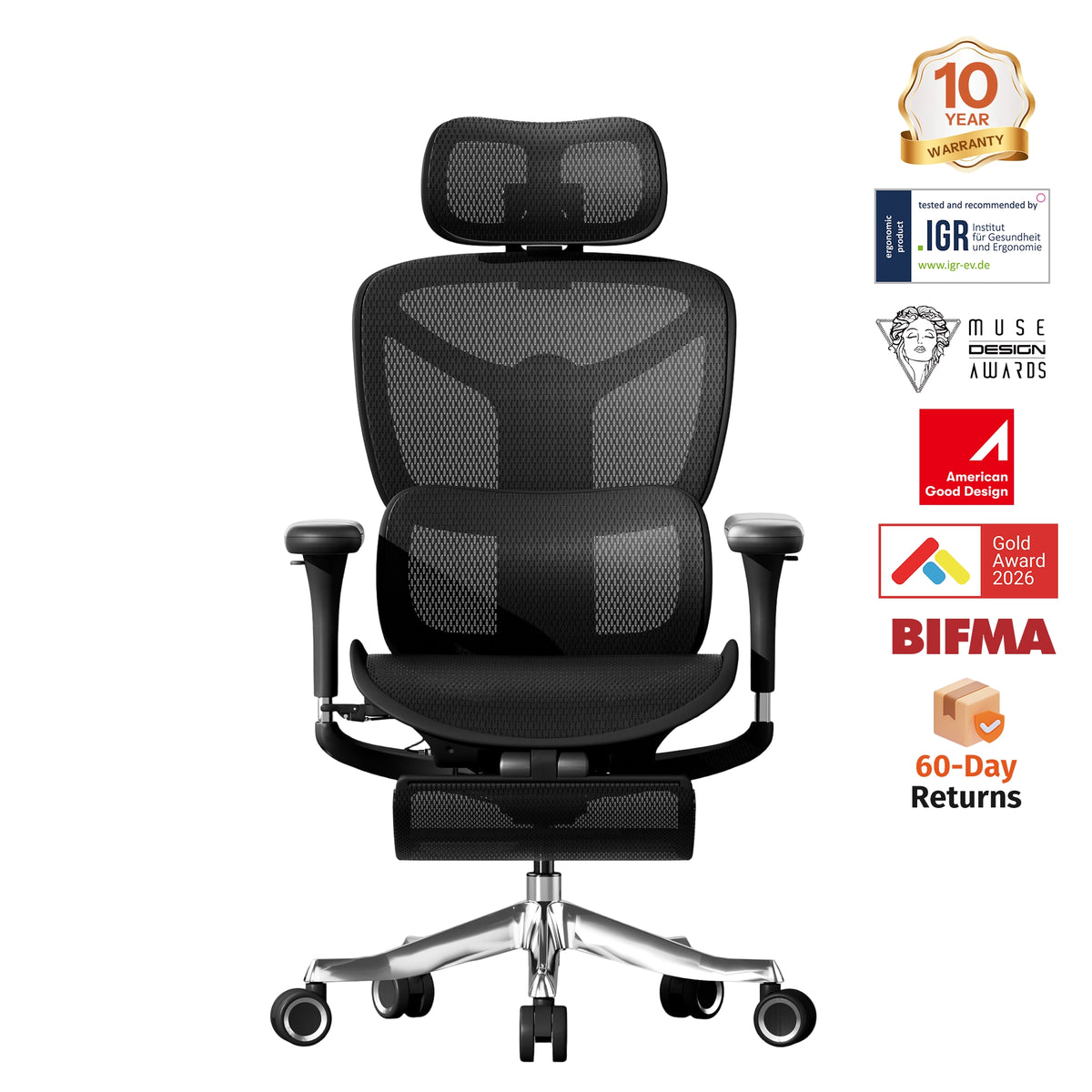
The spine has a natural S-shape. Regular chairs flatten this curve, causing pressure to build in the lower back. Ergonomic office chairs follow the S-curve, supporting the lumbar region and preventing slouching. This keeps the body aligned and reduces long-term strain.

2. Seat Design That Reduces Pressure
Ergonomic seats are shaped to distribute body weight more evenly. While traditional chairs can create pressure points under the thighs or hips, ergonomic office chairs prevent circulation issues by supporting the body smoothly and reducing concentrated pressure.
Some ergonomic chairs use waterfall edges or flexible seat materials that encourage better blood flow, making sitting more comfortable even during long hours.

3. Support for Shoulders, Upper Back, and Neck
One of the defining traits of the best ergonomic chairs is upper-body support. Without proper support, the upper back and shoulders tense up over time.
Ergonomic office chairs help keep the upper body relaxed by positioning the back and neck in alignment. This is especially helpful for people who work at computers, where poor head posture is common.

4. Movement Encouragement Instead of Restriction
Unlike rigid chairs that lock you into a single position, ergonomic office chairs support natural micro-movements. These small shifts help:
-
Prevent stiffness
-
Reduce fatigue
-
Keep circulation flowing
When people ask what is an ergonomic chair, this feature is one of the most overlooked yet most important differences. Humans aren't meant to sit perfectly still, and ergonomic chairs are designed with that in mind.
5. Materials Designed for Long-Term Comfort
Ergonomic office chairs typically use breathable mesh, supportive foam, or flexible materials that move with the body. These materials help maintain comfort even during long work sessions, preventing overheating or discomfort often found in typical office chairs.
This material quality is one of the reasons the best ergonomic chairs tend to feel supportive for years rather than collapsing or wearing down quickly.

6. Built-In Wellness Focus
What makes ergonomic chairs different is not just the physical design—it's the focus on long-term well-being.
Ergonomic office chairs are specifically designed to reduce the risk of:
-
Lower back pain
-
Shoulder and neck stiffness
-
Poor sitting posture
-
Circulation problems
-
Joint discomfort
They are built with human health as the priority, not just aesthetics.
Why the Best Ergonomic Chairs Stand Out
When people search online for the best ergonomic chairs, they’re looking for chairs that do more than look nice. They want chairs that understand the body.
The best ergonomic chairs stand out because they combine:
-
Science-based design
-
High-quality support materials
-
Long-term comfort
-
Better posture alignment
-
Reduced strain during long work hours
A high-quality ergonomic office chair doesn’t just feel good today—it protects your health for years by supporting the body correctly.
This is why more people are replacing traditional chairs with ergonomic options, both at home and at work. As awareness grows, ergonomic office chairs are quickly becoming a standard for productive and comfortable workspaces.
Final Thoughts
So, what is an ergonomic chair? It’s a chair designed to support the natural alignment, movement, and comfort of the human body—something that regular chairs often fail to do. Ergonomic office chairs are built with the science of posture and anatomy at their core, helping reduce physical stress during long hours of sitting. That’s what makes ergonomic chairs different, and why the best ergonomic chairs continue to be a top choice for healthier, more comfortable work environments.


