

Lower Back Pain in Females: Causes and Solutions
Lower back pain is one of the most common issues affecting women today. Whether you’re working long hours at a desk, chasing after kids, or juggling multiple roles, discomfort in the lower back can seriously impact daily life and overall well-being. But what actually causes lower back pain in females—and more importantly—how can you address it effectively?

In this comprehensive guide, we’ll explore the primary causes of lower back pain in females, practical remedies, and how smart choices like choosing the right ergonomic office chair can make all the difference in comfort and long-term spine health.
Why Lower Back Pain in Females Is So Prevalent
Lower back pain isn’t just a “normal part of life.” In women, certain factors make it especially common:
🧬 1. Anatomy and Biomechanics
Women's bodies are structurally different from men's in ways that can predispose them to back pain:
-
Wider hips — can alter lumbar spine curvature and pelvic alignment
-
Different muscle distribution — leading to increased strain on the lower back
-
Hormonal changes — can affect ligamentous laxity and joint stability
These anatomical and hormonal factors make the lower back more vulnerable to strain and discomfort.
🪑 2. Prolonged Sitting and Poor Posture
Many women spend hours sitting—whether at a desk, in meetings, or driving. Poor sitting posture increases pressure on spinal discs, weakens core muscles, and contributes to lower back pain.
This is where the right chair matters. A poorly designed chair forces the spine out of natural alignment, while a properly designed ergonomic chair helps maintain support and reduce pressure on the lumbar region.
💪3. Weak Core and Glute Muscles
Weak core muscles shift the load onto the lower back, increasing fatigue and strain. This is especially true for women who sit for long periods without engaging the muscles that should support good posture.
🦵 4. Lifestyle Factors
-
Sedentary lifestyle
-
Lack of regular exercise
-
Heavy lifting with improper mechanics
-
High-heeled shoes
These all contribute to imbalances that manifest as lower back pain in females.
👶 5. Pregnancy and Hormonal Fluctuations
During pregnancy, the body releases relaxin, a hormone that loosens ligaments for childbirth but also decreases spinal stability. Pregnancy also shifts the center of gravity, placing additional stress on the lumbar spine.

How Lower Back Pain Manifests in Females
Lower back pain doesn’t always feel the same. Common symptoms include:
-
Dull ache or sharp pain in the lower back
-
Pain radiating into the hips or thighs
-
Stiffness after sitting or standing for long periods
-
Muscle spasms or tightness
-
Discomfort when bending, lifting, or twisting
Understanding your specific symptoms helps tailor a better solution.
Diagnosing Lower Back Pain: When to Seek Help
While most cases of lower back pain in females improve with lifestyle changes and ergonomic support, you should consult a medical professional if you experience:
-
Severe or worsening pain
-
Pain that radiates down the leg
-
Numbness or tingling in limbs
-
Loss of bowel or bladder control
In some cases, imaging or physical therapy assessments help identify underlying issues like herniated discs or nerve impingement.

Real Solutions: How to Remedy Lower Back Pain in Females
Lower back pain is rarely caused by a single factor. A multi-pronged approach is most effective. Here’s what truly helps:
1. Improve Your Sitting Setup with an Ergonomic Office Chair
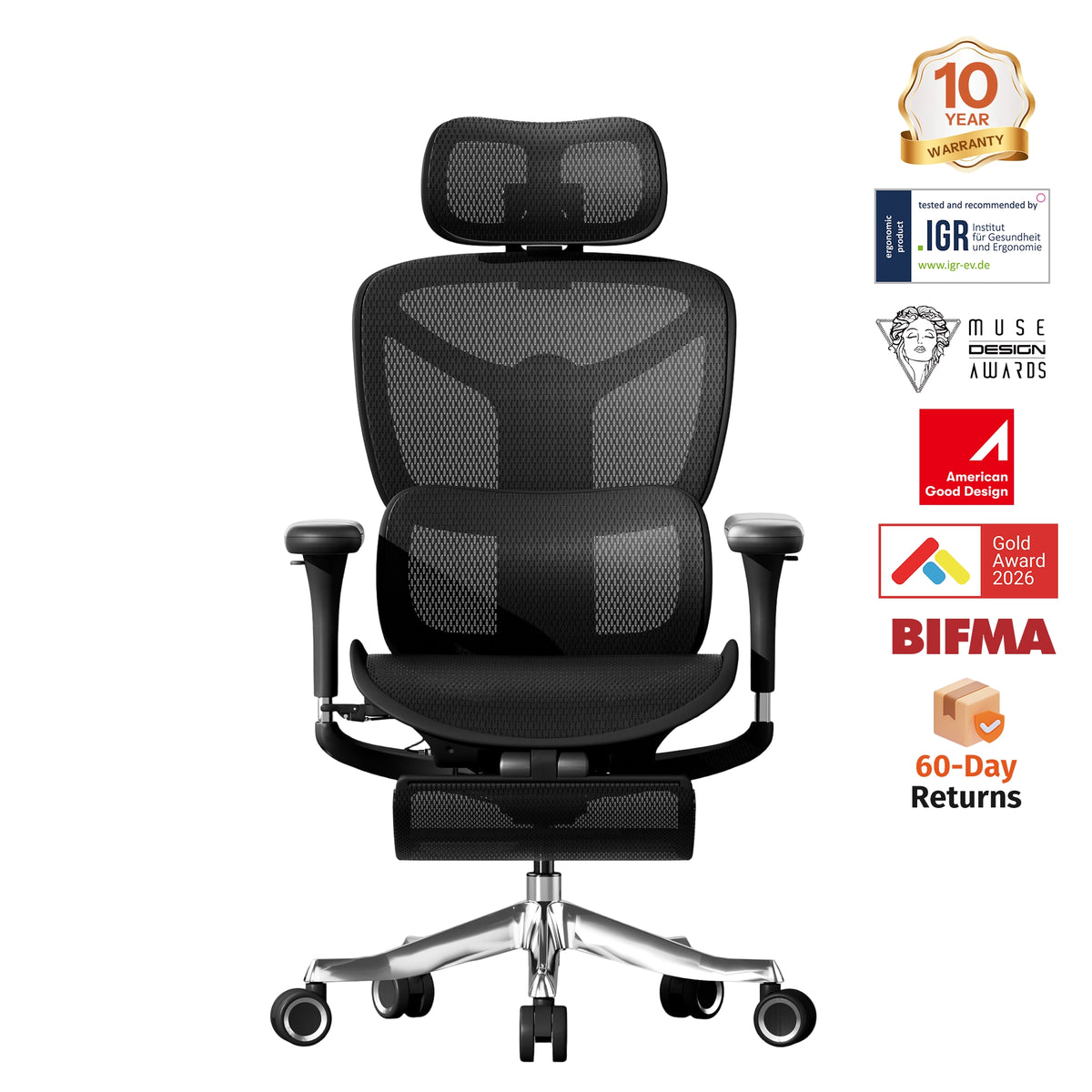
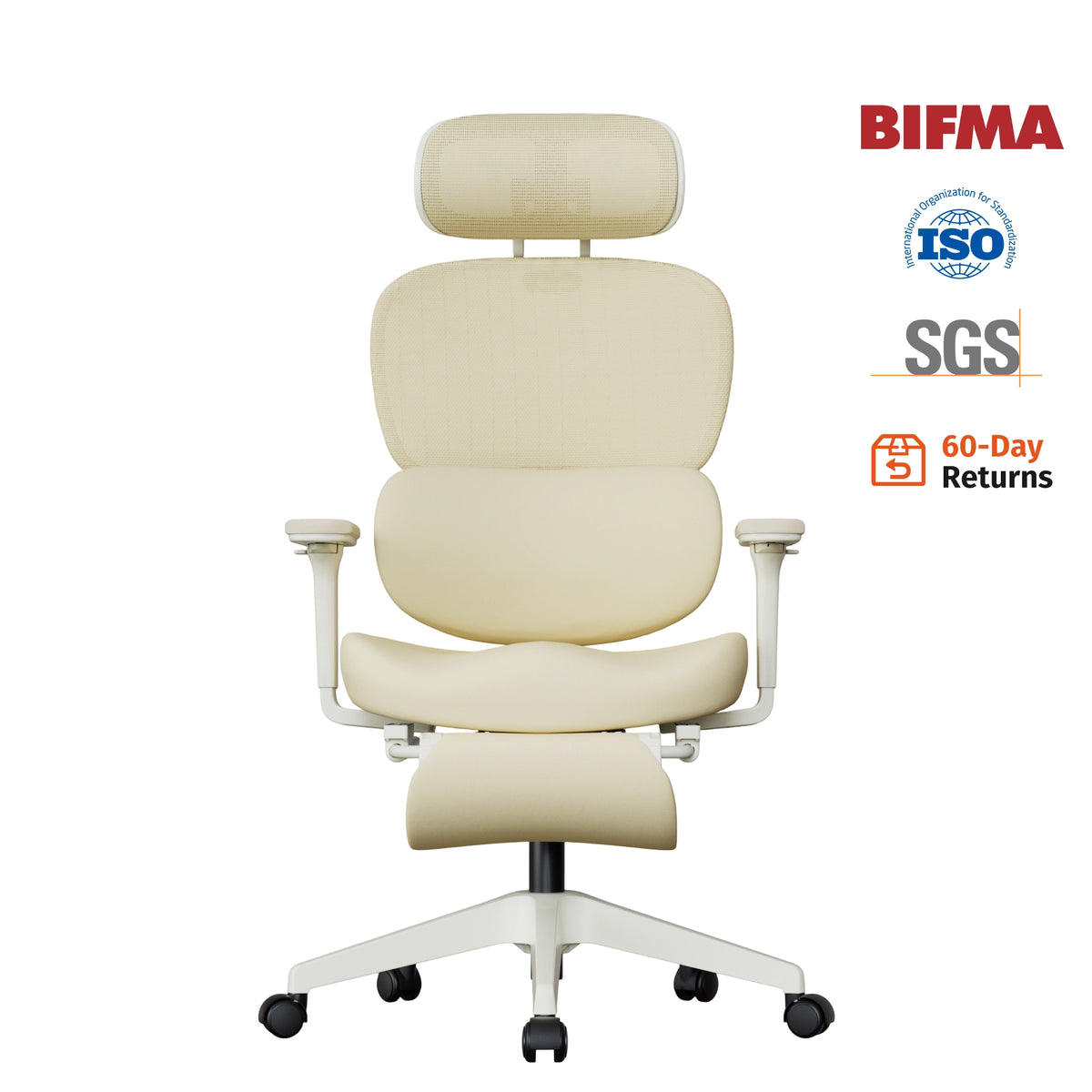
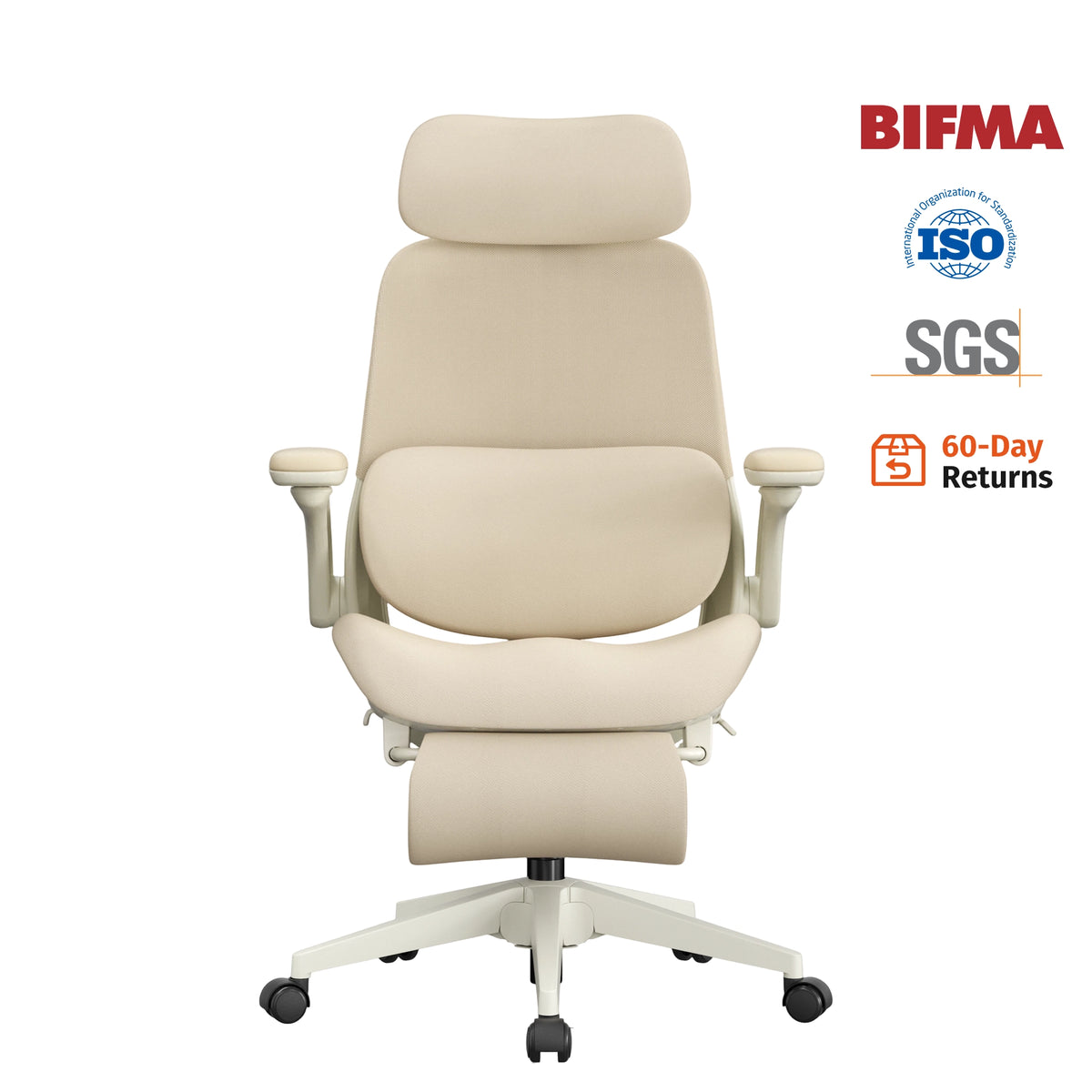
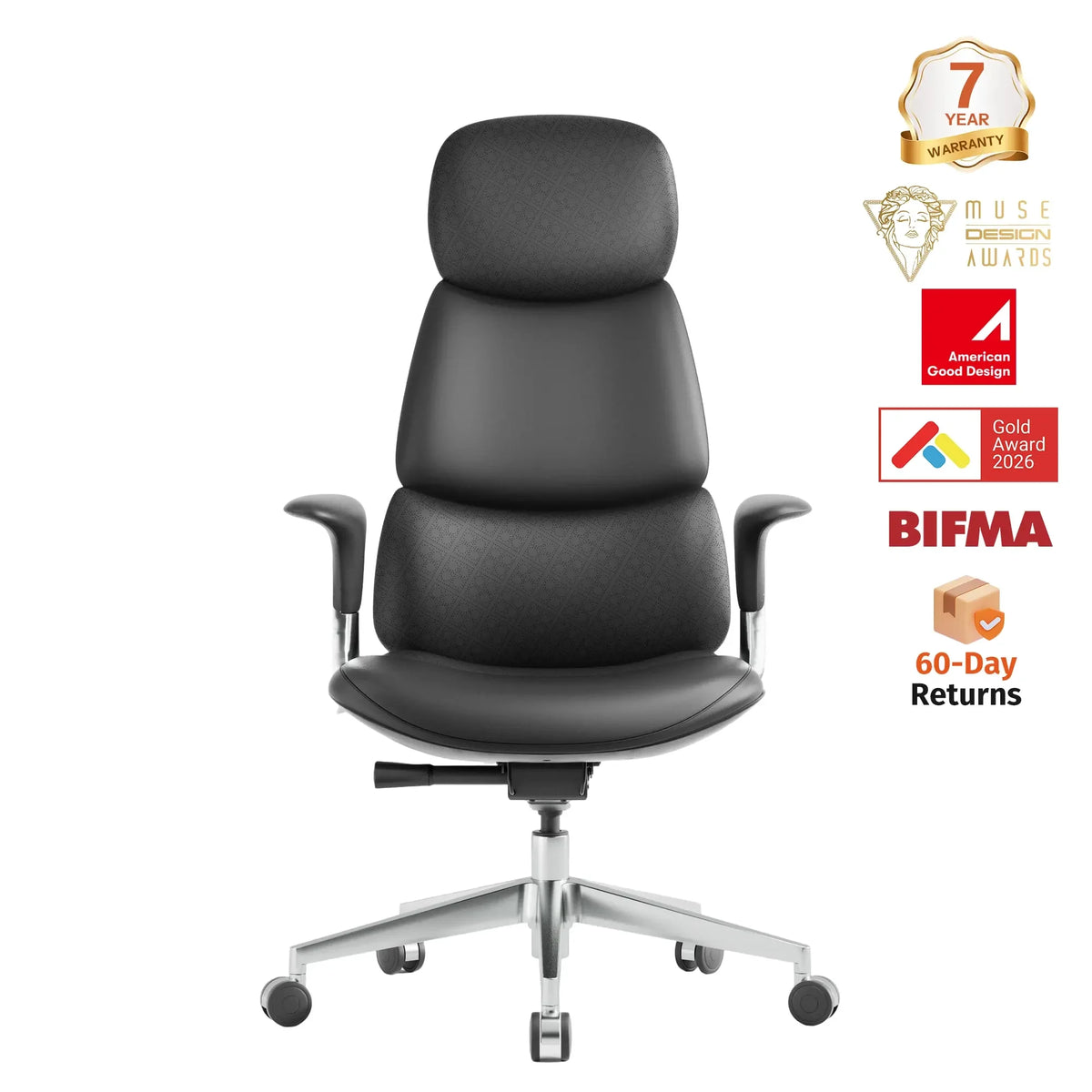
One of the most impactful ways to reduce lower back pain in females is by optimizing your seating environment. A supportive ergonomic office chair promotes proper spinal alignment, reduces lumbar pressure, and encourages micro-movement throughout the day.
✔ What to Look for in an Ergonomic Chair
An effective chair for lower back health should have:
-
Lumbar support that fits your lower back curve
-
Adjustable height and seat depth for proper posture
-
Recline and tilt functions for posture variation
-
Armrest adjustability to reduce shoulder tension
-
Breathable, supportive padding for daily comfort
Without proper support, even strong muscles and good habits can’t overcome the strain of long-term sitting.
🪑 Recommended Ergonomic Chairs for Lower Back Support
💺 Welax S3 Ergonomic Office Chair
This model is ideal for women seeking all-around lumbar support and adaptive comfort at work or home. It features:
-
Contoured backrest designed for spine alignment
-
Adjustable recline and seat height for personalized comfort
-
Breathable mesh to prevent heat buildup during long sitting hours
-
Supportive padding that alleviates pressure on the lower back
Perfect for women who spend long periods at a desk and want a chair that supports posture without compromising comfort.

💺 Welax S4 Ergonomic Chair
An excellent choice if you’re looking for balanced support that promotes proper posture while staying versatile for everyday use.
Key benefits include:
-
Adjustable lumbar contour support
-
Flexible tilt and recline with tension control
-
Comfortable ergonomic seat and breathable mesh
-
Practical, modern design suited for any workspace
Ideal for women who want a reliable ergonomic chair for both professional and personal environments.

2. Practice Better Posture Throughout the Day
Simply upgrading your chair isn’t enough if posture remains poor. Here’s how to sit properly to reduce lower back pain:
🧍 Correct Sitting Posture
-
Sit all the way back in the chair
-
Feet flat on the ground or on a footrest
-
Knees at roughly 90° angle
-
Hips slightly higher than knees
-
Head aligned over shoulders
-
Avoid crossing legs or slouching
When your spine is aligned naturally, pressure on spinal discs and muscles is reduced.
3. Take Frequent Movement Breaks
Remaining in any one position for too long is a common cause of lower back pain in females. Sitting statically increases pressure on the lumbar spine.
👉 Try These Simple Routines:
-
Stand and stretch for 2–3 minutes every 30–45 minutes
-
Walk for a few minutes during breaks
-
Perform gentle hip and back stretches
-
Alternate between sitting and standing if possible
Regular movement improves circulation, reduces stiffness, and retrains muscles to support better posture.
4. Strengthen Core and Glute Muscles
Weak core and glute muscles force the lower back to bear more load than it should. Strength training strengthens the body’s natural support system.
Recommended Exercises
Pelvic Tilts
-
Lie on your back with knees bent
-
Tighten your abdominal muscles
-
Press your lower back gently toward the floor
-
Hold 5–10 seconds, repeat 10–15 reps
Bridges
-
Lie on back with feet flat on the floor
-
Lift hips upward until body forms a straight line
-
Hold for a few seconds, lower down
-
Repeat 10–15 reps
Bird-Dog
-
On hands and knees
-
Extend opposite arm and leg
-
Hold 5 seconds, switch sides
-
Repeat 10 reps each side
Strengthening these muscles stabilizes the pelvis, reduces load on the lower back, and enhances sitting endurance.
5. Stretch Regularly to Maintain Mobility
Gentle stretching can relieve tight muscles that contribute to lower back pain.
Helpful Stretches
Hip Flexor Stretch
-
Step one foot forward into a lunge
-
Keep back leg straight
-
Lean forward slightly until you feel a stretch
-
Hold 20–30 seconds, switch sides
Child’s Pose
-
Kneel and sit back on your heels
-
Reach your arms forward
-
Hold for 30–60 seconds
Cat-Cow Stretch
-
On hands and knees
-
Arch your back up (cat)
-
Slowly lower belly and lift head (cow)
-
Repeat 10 times
These stretches increase flexibility and help relieve tension caused by sitting.
6. Address Lifestyle and Ergonomics Together
Lower back pain in females is rarely caused by a single factor. Instead, it’s usually a combination of posture, seating, inactivity, and muscle weakness.
Combine These Habits for Best Results:
✅ Use a supportive ergonomic chair (like Welax S3 or S4)
✅ Adjust chair and desk setup for neutral posture
✅ Take regular movement breaks
✅ Strengthen core and glutes
✅ Stretch hips, back, and legs daily
✅ Avoid prolonged sitting without posture changes
This holistic approach provides a long-term solution rather than just temporary relief.
When to See a Professional
Most lower back pain improves with lifestyle changes and ergonomic support. However, you should consult a healthcare provider if you experience:
-
Severe or worsening pain
-
Pain that radiates into legs or feet
-
Numbness or tingling
-
Loss of bladder or bowel control
A doctor or physical therapist can provide targeted assessments and treatment plans.
Final Thoughts
Lower back pain in females is common, but it doesn’t have to be a normal part of life. Understanding the causes—such as poor posture, weak muscles, and unsupportive seating—puts you in control of your comfort and health.
Upgrading to a proper ergonomic office chair, like the Welax S3 or Welax S4, is one of the most effective steps you can take. Paired with posture awareness, movement breaks, and strengthening exercises, the right chair becomes a foundation for long-term spine health and daily comfort.
Whether you’re working from home or in the office, take charge of your lower back health this year—and sit smarter, feel better, and stay active with the right tools and habits.


