

Best Chairs for Seniors With Back Pain: How Ergonomic Chairs Support Comfortable and Healthy Sitting
For many seniors, sitting is an important part of daily life. Whether relaxing in the living room, reading a book, watching television, chatting with family, or using a computer, a comfortable chair provides a place to rest and enjoy everyday activities.

However, many older adults find that chairs that once felt comfortable no longer provide the support they need. After sitting for a while, they may experience lower back discomfort, stiffness, or difficulty finding a comfortable position. These challenges often happen because the body changes with age, and traditional chairs are not always designed to support those changing needs.
Choosing the best chair for seniors with back pain is not just about finding a softer seat. A supportive chair should help maintain a comfortable sitting posture, provide proper lower back support, and allow users to adjust the chair based on their body and preferences.
This is where ergonomic chairs can make a difference. Designed around human movement and posture, ergonomic chairs provide features that help seniors enjoy a more comfortable sitting experience throughout the day.
Why Seniors Often Experience More Discomfort While Sitting
Aging is a natural process that can change how the body responds to sitting. Many seniors spend more time sitting than before, whether due to enjoying relaxing activities at home, reading, watching TV, or spending time online.
While sitting itself is not harmful, staying in an unsupported position for long periods can create discomfort.
1. Lower Back Discomfort Caused by Lack of Support
Lower back discomfort is one of the most common reasons seniors look for a better chair.
As people age, maintaining good posture may become more challenging. Sitting in a chair without proper support can encourage slouching, which may place extra pressure on the lower back.
Many traditional chairs provide a simple backrest but lack targeted lumbar support. Without support around the lower back area, seniors may find it difficult to stay comfortable during longer sitting sessions.
A chair for a bad back should provide consistent support that follows the natural curve of the spine. Features such as adjustable lumbar support allow users to customize the amount of support they receive, creating a more personalized sitting experience.

2. Difficulty Maintaining Healthy Sitting Posture
Good posture is important at every age, but seniors may find it harder to maintain due to changes in flexibility and muscle strength.
Common sitting habits include:
-
Leaning forward while reading or using a computer
-
Slouching into the back of a chair
-
Rounding the shoulders
-
Sitting in one position for too long
Over time, these positions can make sitting feel less comfortable.
An ergonomic chair encourages a more natural sitting position by supporting key areas of the body, including the lower back, neck, shoulders, and arms.

3. Stiffness After Sitting for Long Periods
Many seniors enjoy activities that involve extended sitting, such as watching television, reading, or relaxing in the living room.
However, sitting in the same position for hours can make the body feel stiff. A chair that allows movement and position changes can help create a more comfortable experience.
Ergonomic chairs are designed to support different sitting positions. Adjustable reclining features allow users to lean back, relax, and change their posture instead of staying fixed in one position.
4. Challenges When Standing Up or Changing Positions
A supportive chair should not only feel comfortable while sitting — it should also provide stability when users move.
For many seniors, features such as supportive armrests and a properly adjusted seat height can improve everyday comfort when sitting down or standing up.
A well-designed chair provides a balance between comfort and support, helping users feel more confident during daily movements.
What Features Should Seniors Look for in a Supportive Chair?
When choosing the right chair, seniors should focus on support, adjustability, and overall comfort rather than appearance alone.
Here are some important features to consider.
1. Adjustable Lumbar Support
Lumbar support is one of the most important features in a supportive chair.
The lower back naturally has a slight curve, and a chair without proper support may encourage poor posture.
A lumbar support chair for living room can be a great option for seniors who spend time relaxing, reading, or watching TV. Proper lumbar support helps maintain a more comfortable sitting position by supporting the lower back area.
The best ergonomic chairs allow users to adjust lumbar support according to their body shape and comfort preferences.

2. Comfortable Seat Cushion With Proper Support
A comfortable seat is essential, but softness alone is not enough.
A chair that is too soft may feel comfortable at first but may not provide enough structure for long-term sitting. On the other hand, a seat that is too firm may create pressure points.
The ideal chair provides a balance between cushioning and support, helping seniors stay comfortable during daily activities.

3. Adjustable Seat Height
Seat height plays an important role in sitting comfort.
A properly adjusted chair allows:
-
Feet to rest comfortably on the floor
-
Knees to stay in a natural position
-
Easier transitions when sitting down or standing up
Adjustable height makes the chair suitable for different body types and preferences.
4. Supportive Armrests
Armrests are often overlooked, but they can greatly improve comfort.
Supportive armrests help:
-
Reduce shoulder tension
-
Provide a place to rest the arms
-
Improve comfort when changing positions
Adjustable armrests allow users to position their arms naturally while relaxing or working.

5. Reclining Function for Flexible Sitting
Seniors often use chairs for multiple activities throughout the day.
A reclining function allows users to:
-
Relax while watching TV
-
Lean back while reading
-
Change sitting positions throughout the day
The ability to move between positions creates a more flexible and comfortable sitting experience.
Are There Specific Chairs Recommended for Seniors With Sciatica?
Many seniors searching for chairs are specifically concerned about sciatica or lower back discomfort.
While a chair cannot treat or cure medical conditions, choosing a supportive ergonomic chair may help create a more comfortable sitting environment by encouraging better posture and reducing pressure caused by poor seating positions.
When looking for chairs recommended for seniors with sciatica, consider features such as:
-
Adjustable lumbar support
-
Comfortable seat cushioning
-
Proper seat depth
-
Reclining capability
-
Adjustable armrests
The goal is to find a chair that supports your body and allows you to sit comfortably for everyday activities.
Choosing the Best Chair for Back Pain Living Room Spaces
Many seniors spend most of their sitting time in the living room, making chair selection especially important.
The best chair for back pain living room use should provide both comfort and support for daily activities, including:
-
Watching television
-
Reading
-
Relaxing
-
Spending time with family
Traditional sofas and lounge chairs may feel comfortable but often lack adjustable support. An ergonomic chair provides more customization, allowing users to adjust the support based on their personal needs.
A supportive living room chair should combine:
-
Good lumbar support
-
Comfortable cushioning
-
Stable construction
-
Adjustable features
Can Seniors Benefit From an Ergonomic Computer Chair?
Today, many seniors use computers and tablets to stay connected, manage daily tasks, shop online, or communicate with family.
For these activities, a computer chair for back problems can provide better support compared with standard desk chairs.
Important features include:
-
Adjustable lumbar support
-
Comfortable backrest
-
Arm support
-
Adjustable height
An ergonomic computer chair can help seniors create a more comfortable home workspace while supporting healthier sitting habits.
How Welax Ergonomic Chairs Support Comfortable Sitting
At Welax, we believe a chair should adapt to the person using it. A supportive chair is not only about sitting — it is about creating a more comfortable experience for everyday life.
Welax ergonomic chairs are designed with features that help users customize their seating experience, including:
-
Dynamic adaptive lumbar support that follows body movements and provides continuous lower back support
-
Adjustable armrests that allow personalized positioning
-
Ergonomic headrests for additional neck comfort
-
Reclining functions for flexible sitting positions
-
Breathable materials for long-lasting comfort
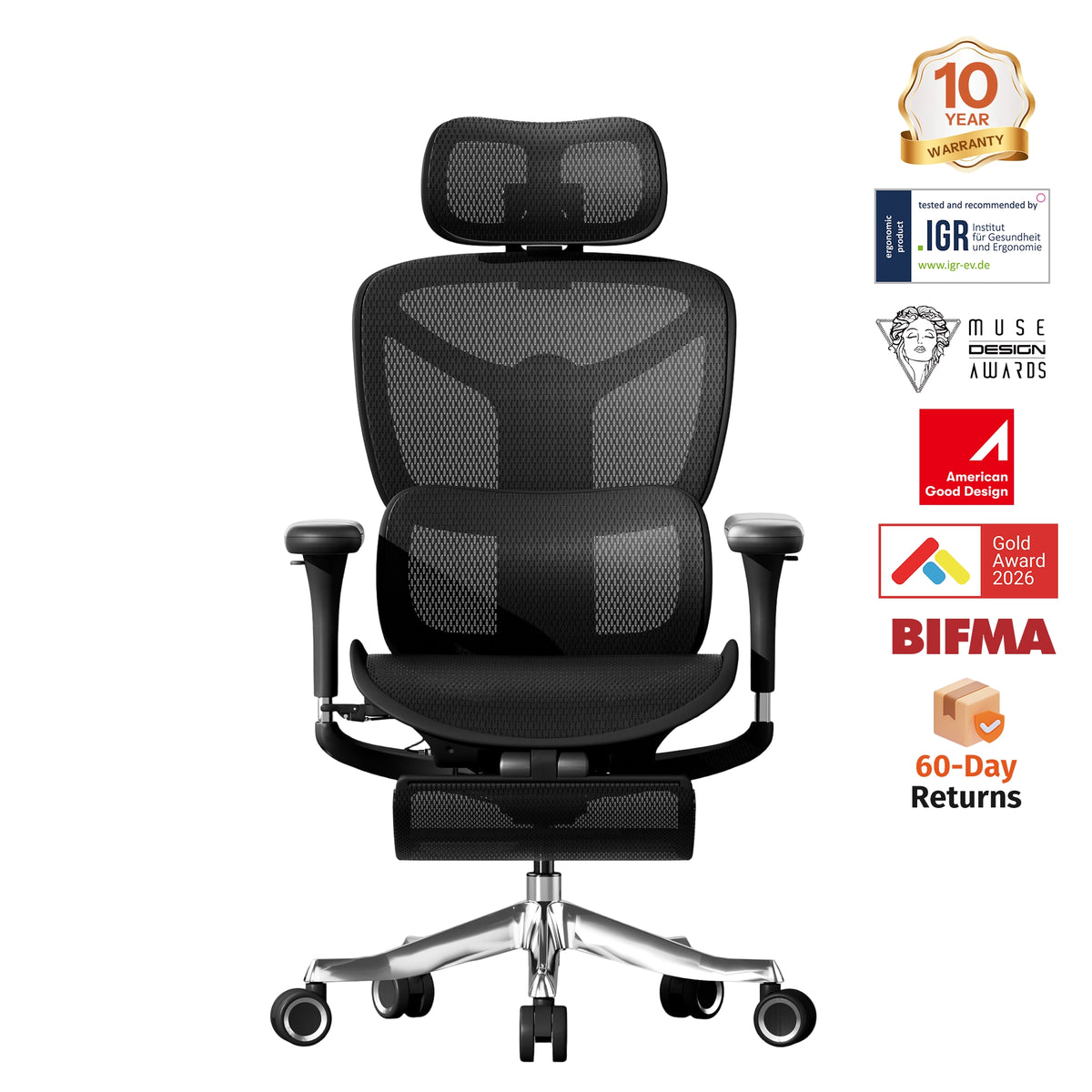
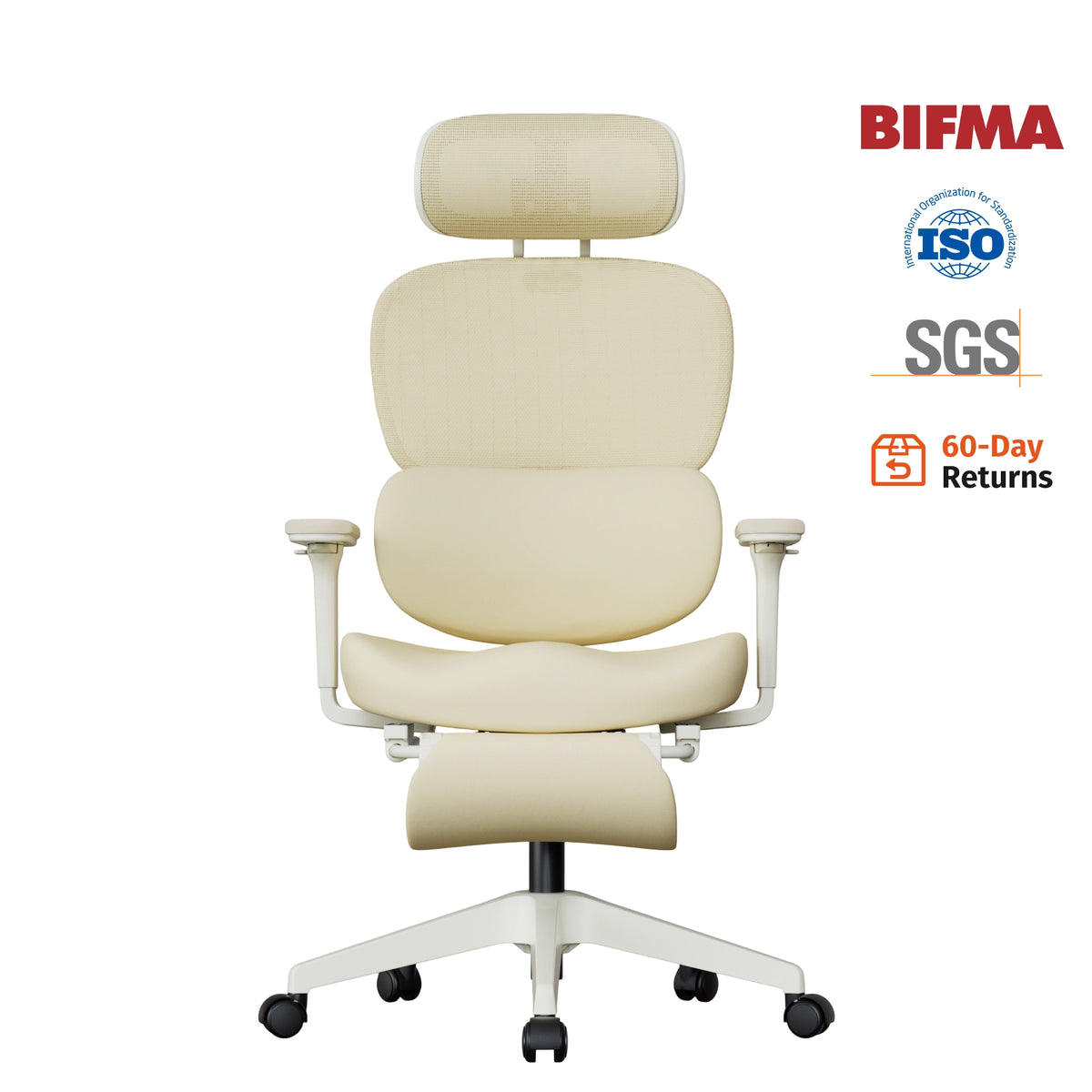
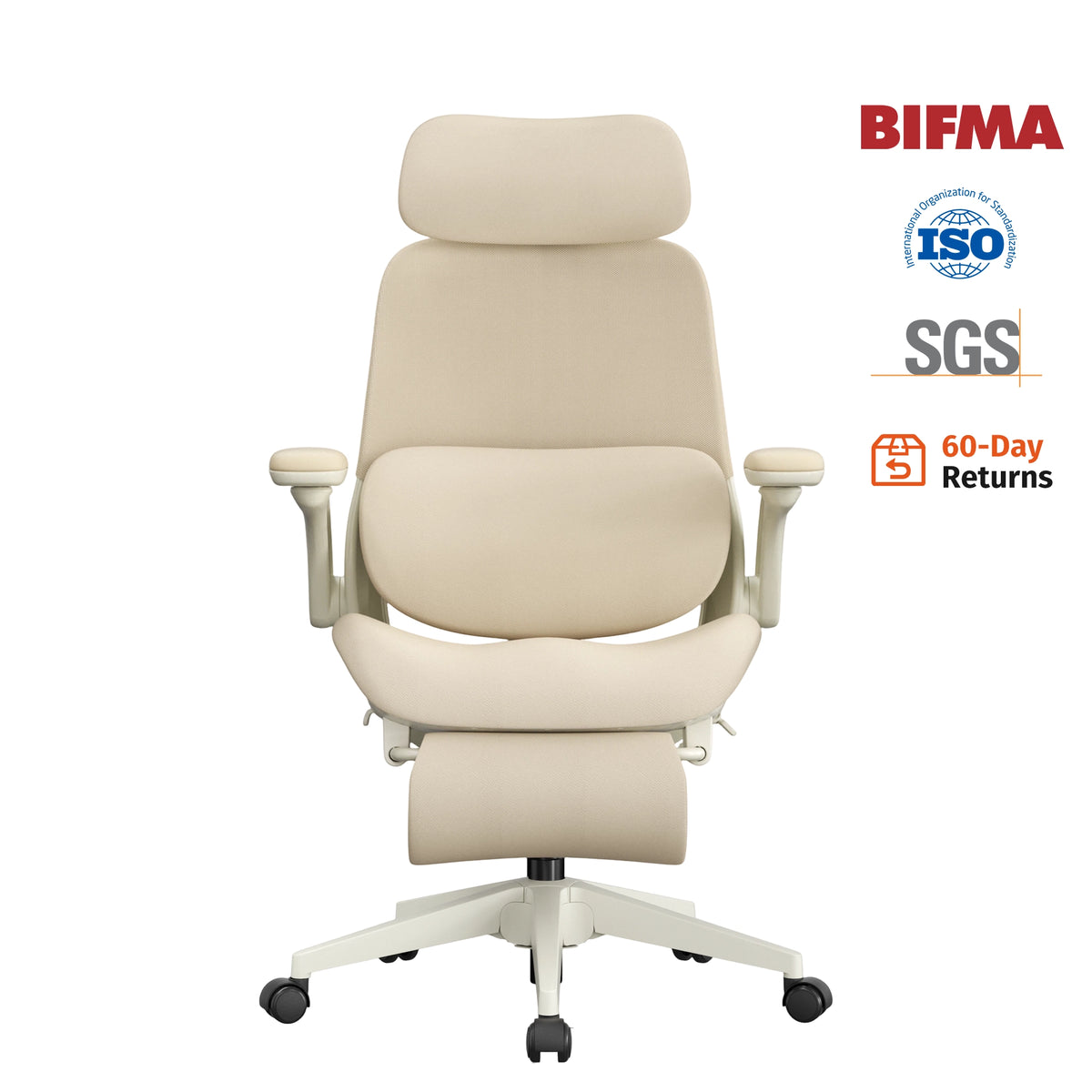
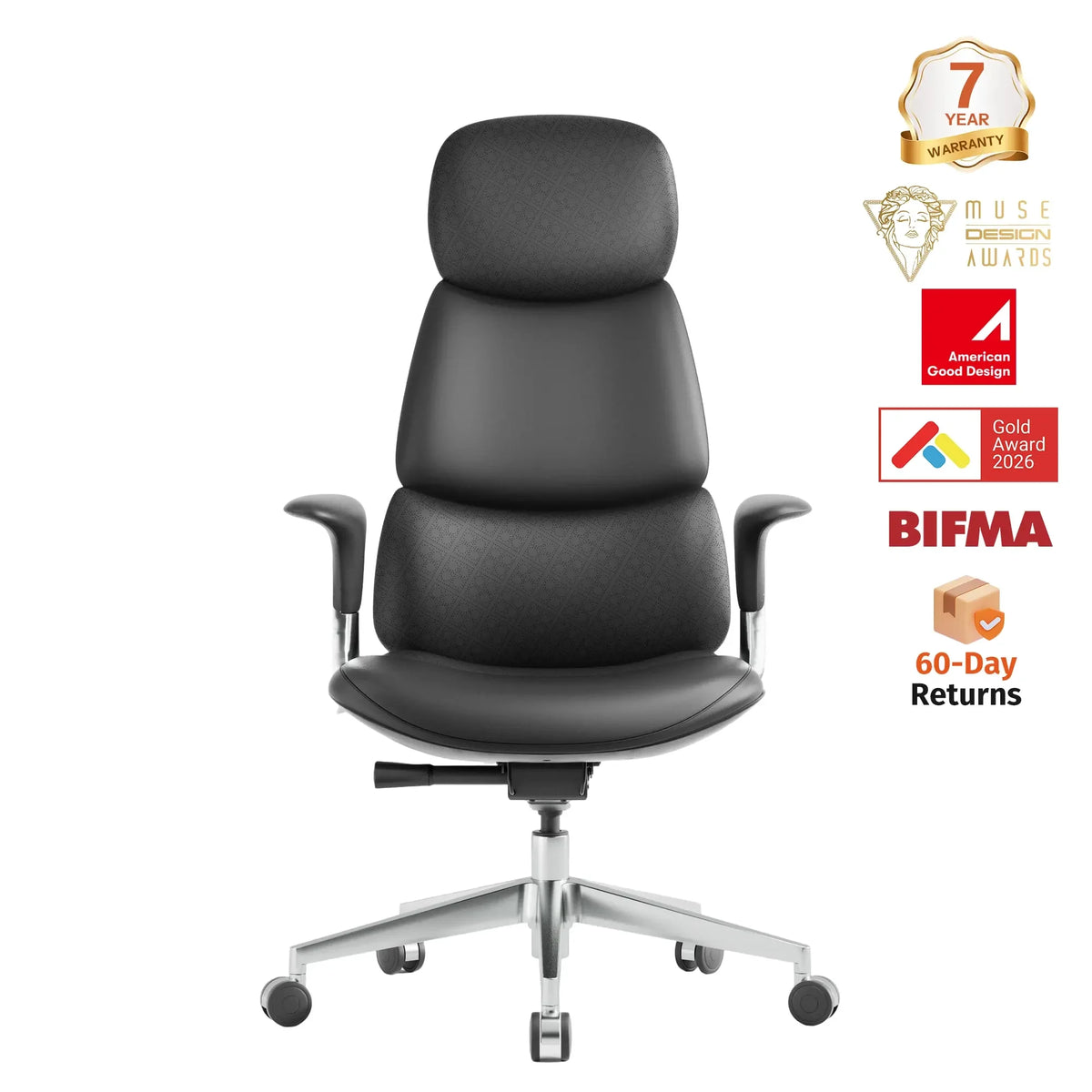
Models like the Welax S9 Pro Ergonomic Office Chair and Welax S3 Pro Ergonomic Office Chair provide advanced ergonomic support for people who spend extended time sitting.
Whether used for relaxing, reading, working, or staying connected online, Welax chairs are designed to help create a more supportive and comfortable sitting environment.
Conclusion: Find a Chair That Supports Your Everyday Comfort
For seniors, the right chair can make everyday activities more enjoyable. A supportive seat can help create a more comfortable sitting experience by providing better posture support, adjustable features, and personalized comfort.
When choosing a chair for seniors with back discomfort, look beyond appearance. Consider important features such as lumbar support, seat adjustability, armrests, and reclining options.
A well-designed ergonomic chair can become an important part of a comfortable home environment.
Explore Welax ergonomic chairs and discover a more supportive way to sit comfortably every day.


