


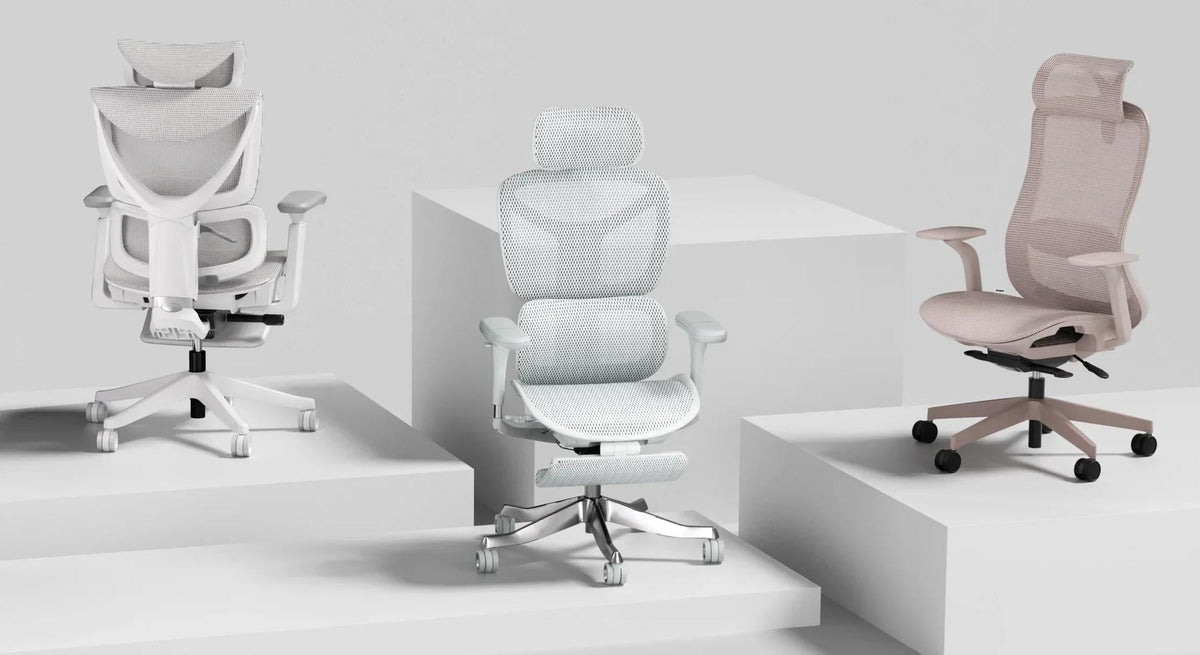
Choosing the right office chair can make a huge difference in your comfort, productivity, and long-term health. Among the most common questions is: should you choose a mid-back ergonomic chair or a high-back ergonomic chair? Both types offer unique benefits and drawbacks depending on your needs, work style, and body type. In this article, we’ll explore the differences between mid-back and high-back office chairs, help you determine which is better for you, and provide tips for maximizing comfort at your desk.
Understanding the Basics: Mid-Back vs. High-Back Office Chair
What is a Mid-Back Ergonomic Chair?
A mid-back ergonomic chair supports the middle portion of your back, typically from the lower lumbar region up to the mid-back. It provides:
-
Moderate upper back support
-
Lightweight design, easy to move and adjust
-
Often more affordable than high-back models
Benefits of a Mid-Back Ergonomic Chair:
-
Freedom of Movement – The lower back support allows more arm and shoulder mobility, which can be ideal for tasks that require frequent turning or reaching.
-
Space Efficiency – Mid-back chairs tend to be smaller and more compact, making them great for home offices or smaller workspaces.
-
Breathability – Many mid-back chairs use mesh materials, which improve airflow and reduce sweating during long hours.
Recommended Mid-Back Ergonomic Chair from Welax:
-
B3 Heavy Duty Office Chair (Now available in the U.S.)
– Adjustable Lumbar Support,
–Comfortable and Breathable Mesh,
–95° to 125° Support Tilt,
–Thick Padded 4D Armrest

What is a High-Back Ergonomic Chair?
A high-back ergonomic chair extends support all the way up to your shoulders and neck. These chairs are designed for maximum comfort, especially for users who spend long hours sitting.
Benefits of a High-Back Ergonomic Chair:
-
Full Upper-Body Support – Supports the entire spine, neck, and shoulders, reducing strain and improving posture.
-
Headrest Options – Many high-back chairs include headrests for neck support, which is great for long conference calls or reclining.
-
Enhanced Comfort for Long Hours – High-back chairs distribute your weight more evenly, which can reduce back pain over prolonged sitting.
Recommended High-Back Ergonomic Chair from Welax:
-
S9 Pro Ergonomic Office Chair
– One-Touch Precision Control
–6D Armrests for Total Support
–Premium Breathable Mesh & Solid Build
–Silent Rollers & Reliable Details

Key Differences Between Mid-Back and High-Back Chairs
| Feature | Mid-Back Ergonomic Chair | High-Back Ergonomic Chair |
|---|---|---|
| Back Support | Mid-back region only | Full back, shoulders, neck |
| Mobility | Easier to move and swivel | Slightly heavier, less agile |
| Space Requirement | Compact | Larger footprint |
| Comfort for Long Hours | Moderate | High |
| Head & Neck Support | Usually none | Often included |
| Price | Generally lower |
Typically higher |
Who Should Use a Mid-Back Ergonomic Chair?
A mid-back chair is ideal if:
-
You have a smaller workspace or home office.
-
You perform tasks requiring frequent reaching, twisting, or turning.
-
You don’t suffer from chronic upper-back or neck pain.
-
You want a lightweight and affordable chair with moderate support.
Mid-back chairs are perfect for people who sit for moderate periods and need freedom of movement without sacrificing basic ergonomic support.

Who Should Use a High-Back Ergonomic Chair?
A high-back chair is ideal if:
-
You spend long hours sitting at a desk or in meetings.
-
You want full spinal, shoulder, and neck support.
-
You prefer to recline or lean back comfortably.
-
You are prone to upper-back or neck discomfort.
High-back chairs are often chosen by executives, remote workers, and anyone looking for maximum comfort during extended workdays.

Ergonomic Features to Look for in Both Types of Chairs
Regardless of mid-back or high-back, a good office chair should have essential ergonomic features:
-
Adjustable Seat Height – Keeps knees at ~90° and feet flat on the floor.
-
Lumbar Support – Protects your lower back and maintains natural spine curvature.
-
Seat Depth & Width – Allows comfortable thigh support without pressure behind the knees.
-
Armrest Adjustability – Reduces strain on shoulders and wrists.
-
Recline & Tilt Functions – Encourage movement and prevent stiffness during long hours.
Tip: Even if you choose a mid-back chair, adding a small lumbar pillow or headrest can improve support. High-back chairs often come with these built-in.

Common Myths About Mid-Back vs. High-Back Chairs
Myth 1: High-Back Chairs Are Always Better
Not necessarily. While high-back chairs provide more coverage, they can feel bulky, limit mobility, and are not always necessary for short work sessions.
Myth 2: Mid-Back Chairs Are Uncomfortable
A properly designed mid-back chair can be extremely comfortable for most users. The key is to ensure it has ergonomic lumbar support and adjustable features.
Myth 3: More Features Mean Better Ergonomics
Extra features like headrests or reclining functions are helpful, but comfort ultimately depends on correct chair adjustment, your body dimensions, and proper sitting posture.
How to Choose the Right Chair for You
When deciding between a mid-back or high-back office chair, consider the following:
-
Work Duration: If you sit 6–8+ hours daily, a high-back chair may reduce upper-back strain.
-
Workspace Size: Smaller spaces are better suited for compact mid-back chairs.
-
Posture Needs: If you have neck or shoulder tension, high-back is recommended.
-
Mobility Preference: Mid-back chairs allow easier twisting, reaching, and swiveling.
-
Budget: Mid-back chairs are generally more affordable without compromising basic ergonomic support.
Tips for Maximizing Comfort in Any Office Chair
-
Adjust your chair properly: Height, lumbar support, tilt, and armrests.
-
Take breaks: Stand, stretch, or walk every 30–60 minutes.
-
Strengthen core and back muscles: Simple exercises prevent fatigue and maintain posture.
-
Use accessories if needed: Seat cushions, footrests, or head pillows can enhance comfort.
-
Maintain good posture: Keep your spine neutral and shoulders relaxed.
Recommended Welax Chairs for Both Types
Mid-Back Ergonomic Chair from Welax:
-
B3 Heavy Duty Office Chair
– Adjustable Lumbar Support,
–Comfortable and Breathable Mesh,
–95° to 125° Support Tilt,
–Thick Padded 4D Armrest
High-Back Ergonomic Chair from Welax:
-
S9 Pro Ergonomic Office Chair
– One-Touch Precision Control
–6D Armrests for Total Support
–Premium Breathable Mesh & Solid Build
–Silent Rollers & Reliable Details
Both options prioritize ergonomics, adjustability, and comfort — ensuring a healthier sitting experience whether you prefer mid-back mobility or high-back support.
Final Thoughts
There’s no one-size-fits-all answer to the mid-back vs. high-back office chair debate. The best choice depends on your:
-
Sitting duration
-
Workspace size
-
Posture and comfort needs
-
Body type and movement habits
If you spend extended hours at your desk, a high-back ergonomic chair may provide the most comprehensive support. However, for moderate sitting periods, compact spaces, and more mobility, a mid-back ergonomic chair is ideal.
The key is to combine the right office chair with good posture, regular breaks, and daily movement to maximize comfort and maintain a healthy spine.

Leave a comment
This site is protected by hCaptcha and the hCaptcha Privacy Policy and Terms of Service apply.